Egypt travel Package 7 Days
Explore ancient Egypt with Emo Tours: visit Abu Simbel, Cairo, Luxor, and Aswan. Enjoy private tours, domestic flights,…
The Destination
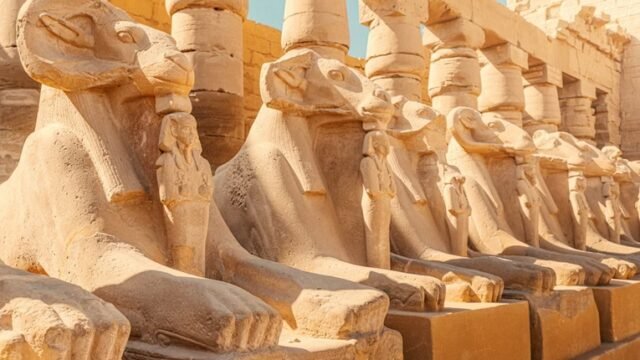
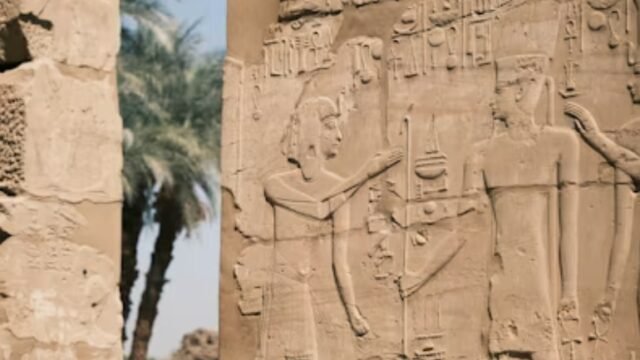
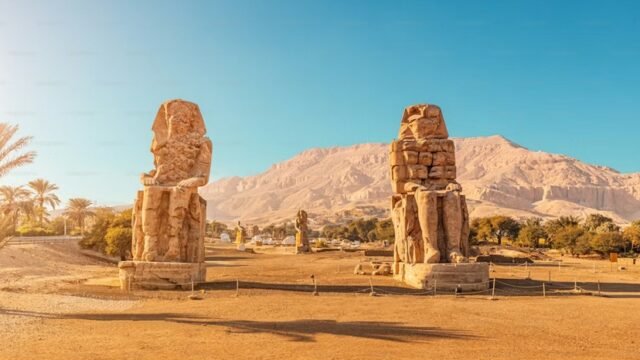
Ancient Thebes, split by the Nile into two very different halves. The East Bank, city of the living, holds the temple complexes of Karnak and Luxor. The West Bank, city of the dead, holds the Valley of the Kings, Hatshepsut’s mortuary temple, and the Colossi of Memnon. Together they form what many call the world’s greatest open-air museum.
Best time to visit: November through February for the mildest temperatures; the West Bank in particular has little shade.
What You'll See

The royal necropolis holding over 60 tombs, including Tutankhamun’s.

The largest religious building ever constructed, expanded over 2,000 years.

A striking terraced temple built into the cliffs of Deir el-Bahari.
Gallery



Common Questions
Travel Here
Explore ancient Egypt with Emo Tours: visit Abu Simbel, Cairo, Luxor, and Aswan. Enjoy private tours, domestic flights,…
Explore the best of Egypt in 7 days. Tour the Giza Pyramids, Egyptian Museum, Valley of the Kings,…
Experience Cairo and a luxury Nile Cruise in 6 days. Tour the Great Pyramids, Valley of the Kings,…
Cairo Luxor tour package – 2 Days Uncover the ancient wonders of Egypt with our meticulously crafted two-day,…
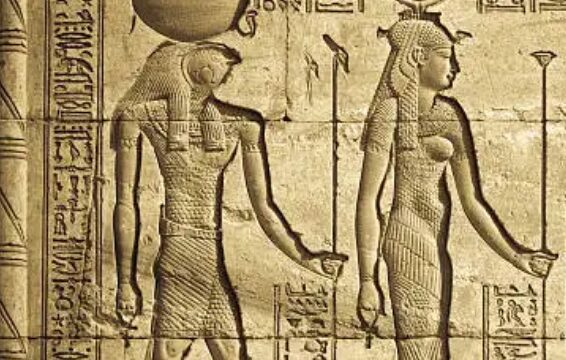 Luxor
Luxor
Explore two of Egypt’s best-preserved temples at Abydos & Dendera from Luxor. Enjoy private transport, a expert Egyptologist guide, and full door-to-door service.
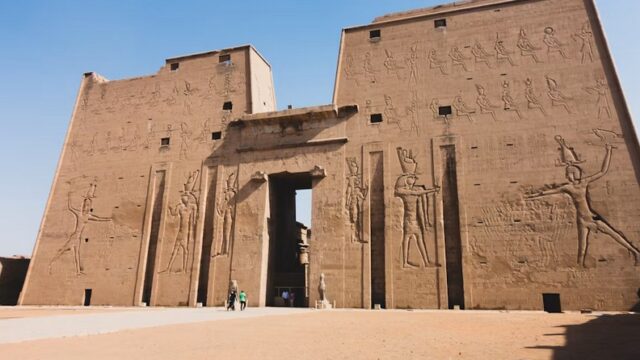 Luxor
Luxor
Discover Egypt's ancient history on a private tour to Edfu and Kom Ombo from Luxor. Book now for private transport, expert guided tours, lunch, and pickup.
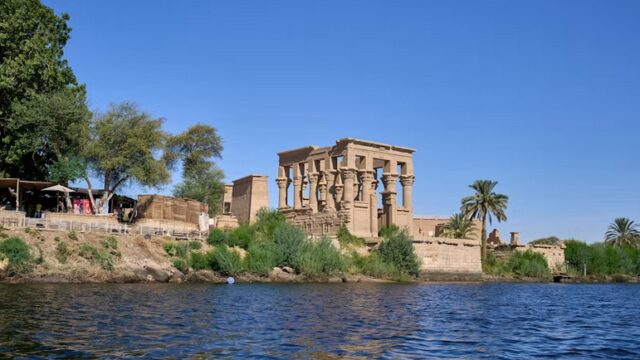 Luxor
Luxor
Travel from Luxor to Aswan in comfort! Explore Edfu's Horus Temple, Kom Ombo's double temple, and Philae Temple. Includes private transfers, lunch & expert guide.
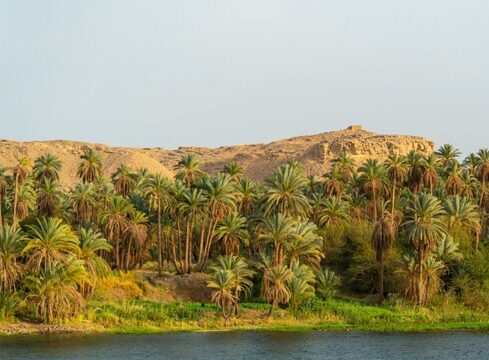 Luxor
Luxor
Complete Luxor day tour to the Valley of the Kings, Karnak, Hatshepsut & Luxor Temples. Private guide & transfers from hotel, cruise, or airport.
Overnight
An overnight excursion to Luxor for cruise passengers docking at Safaga, with a hotel stay between two full days of…
From USD 270 / person
View Shore Excursion5-Star
A 5-star Nile cruise ship sailing the classic Luxor–Aswan route, with a sun deck pool and full-board dining.
From USD 650 / person
View Nile CruiseSee Luxor With Atria
Tell us how you'd like to experience this destination and we'll build it into a private journey, entirely your own.